Orba: A Display Font That Brings Handmade Designs to Life
Designing a Candle Label with Orba
As I sat at my desk, adjusting the layout for a new line of soy candle labels, I found myself reaching for Orba. It’s a display font that feels like a secret weapon in my design toolkit. The first time I used it for a lavender-scented candle label, I was struck by how effortlessly it balanced elegance and whimsy. Orba isn’t just another font—it’s a creative companion that elevates every handmade detail, from the wax texture to the twine bow.
What Makes Orba Unique
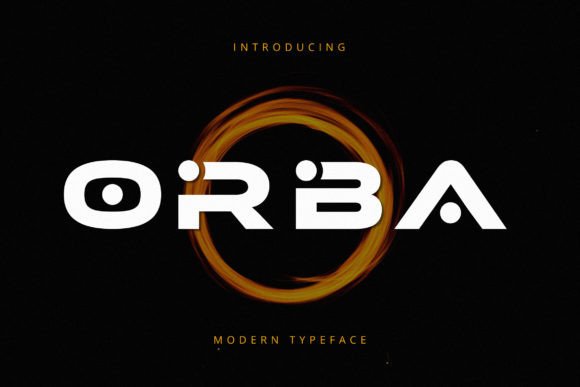
Orba is a display font designed with intention. Its curves are soft but confident, and its letterforms carry a subtle charm that makes them stand out without shouting. Whether it’s used for a boutique tag or a seasonal greeting card, Orba adds a touch of personality that feels handmade, even when it’s digitally designed. The font has a warm, approachable style that works beautifully for short phrases, titles, and decorative text—perfect for makers who want their typography to feel like part of the product, not just an afterthought.
From Labels to Invitations: Real Uses for Orba
I’ve used Orba across a range of creative projects, from boutique packaging to wedding welcome boards. One of my favorite uses was for a set of botanical-themed planner pages. The font’s airy feel made the titles look like they were floating on the page, guiding the eye without overwhelming the delicate illustrations. For a local bakery’s custom cookie tags, Orba gave a playful, upscale look that made the product feel more premium.
- Candle labels
- Wedding invitations
- Printable wall art
- Seasonal holiday tags
- Boutique product packaging
- Digital greeting cards
How Orba Enhances Product Presentation
Typography matters more than many makers realize. The right font can transform a simple sticker into a memorable keepsake or turn a plain tote bag into a statement piece. Orba’s clean yet expressive lines help communicate quality and care. When customers see a product labeled in Orba, they don’t just read the text—they feel the intention behind it. This kind of visual storytelling builds brand recognition and emotional connection, which is especially valuable for small shops and independent creators.
Best Uses for Orba
While Orba shines in short bursts—like product names, headlines, and greeting phrases—it’s not ideal for long paragraphs. Think of it as the star of the show rather than the supporting cast. It works beautifully for:
- Handmade greeting cards
- Wedding stationery suites
- SVG cut files for Cricut and Silhouette machines
- Wall art prints with inspirational quotes
- Custom tags for handmade soap or jewelry
When I designed a set of farmhouse-style signs for a client, Orba’s vintage-meets-modern vibe was perfect for phrases like “Welcome to Our Farm” and “Sunday Brunch.” It has a timeless appeal that adapts well to different themes and seasons.
Readability Tips for Makers
If you’re using Orba for small stickers or product labels, be mindful of spacing and size. Kerning adjustments can make a big difference in readability, especially when cutting with a machine. For digital mockups, always preview the font at actual size before printing. I’ve learned that even the most beautiful font can lose its charm if it’s too tight or too thin for the material it’s printed on.
Font Pairing Ideas
One of my favorite ways to use Orba is in combination with a clean sans serif like Montserrat or Lato. It creates a lovely contrast between the decorative and the functional. For wedding invitations, I often pair it with a soft script font for the names, while keeping the main text in Orba. When designing boutique packaging, a bold sans serif works well for secondary text, letting Orba take center stage in the logo or brand tagline.
Checking the Details Before You Sell
Before using Orba in any commercial product, I always double-check the licensing terms. Most premium display fonts come with commercial use permissions, but it’s important to confirm whether it’s allowed for physical goods, digital downloads, or both. I also make sure to include all necessary file formats—OTF, TTF, and WOFF for web use—especially when bundling fonts with templates or SVG cut files. Checking for multilingual support and stylistic alternates ensures the font will work for a wider audience and design variety.